
- After earlier attempts over the past few years didn’t advance, Ron Watson has renewed his effort to authorize blackjack sites in Maryland.
- A separate proposal from the same lawmaker addresses how online poker could be handled under state rules.
- Both measures are part of a broader, ongoing discussion around digital wagering policy in Maryland.
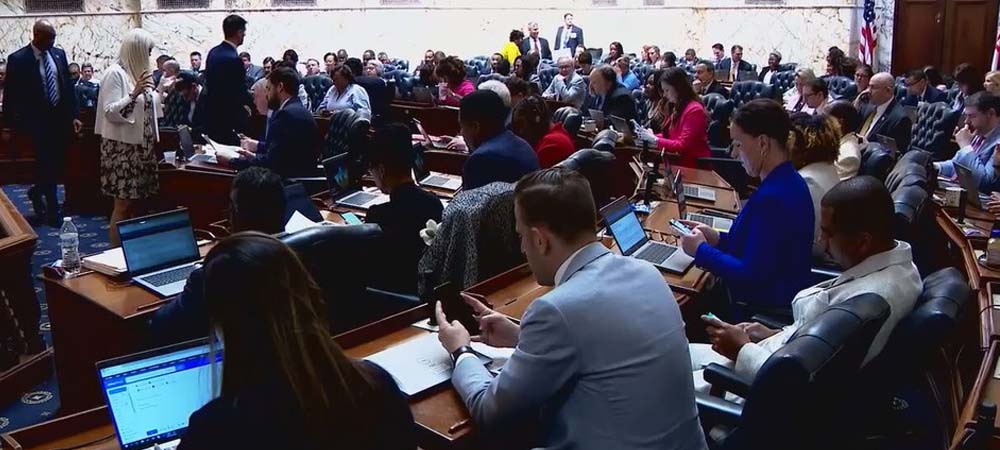
ANNAPOLIS - Maryland lawmakers will review SB 885 next month, a bill from Ron Watson that would allow regulated online casino and bingo licensing. A hearing is set for March 11.
The proposed law targets licensees for sports betting and video lottery operators, among other current gambling businesses in the state. Applications would also be accepted from businesses that have a history in Maryland, such as those with a headquarters there for at least ten years or 250 or more full-time employees. Companies may also be eligible for licensing if they are prepared to spend $5 million on production or live dealer studios.
In order to obtain a complete online casino license that covers all digital gambling alternatives, applicants would need to pay $1 million under SB 885. However, operators would pay a discounted charge of $500,000 if they decided to solely offer live dealer games. The value of online bingo licenses is also $500,000. Operators would have to pay 1% of their average annual revenues to renew each license, which would have a five-year expiration date.
Revenue Allocation and Player Protections
The measure specifies particular financial allocations meant to assist communities and workers in Maryland. During the first year of operation, gaming profits would go toward the Video Lottery Facility Employee Displacement Fund, which would offer financial support to casino staff members who might be impacted by the move to online platforms. Local governments and Maryland's Small, Minority, and Women-Owned Business Account would benefit from additional funds.
Mandatory requirements for responsible gaming are part of SB 885. Operators would not be allowed to deposit credit cards for gaming transactions, and 1-800-GAMBLER messages would have to be displayed conspicuously. The legislation also ensures the integrity of legal blackjack and other casino games played online by imposing fines of up to $1 million for software tampering that modifies game odds or payouts.
After three failed attempts in 2023, 2024, and 2025, this is Watson's fourth attempt to license blackjack sites in Maryland. Additionally, the senator has introduced SB 884, a different bill that deals with online poker.