
- SB 118 and HB 161 both survived first-vote defeats to clear their respective chambers, moving Virginia closer to legal online casino gaming through its five existing operators.
- Both bills differ on key terms, including a tax rate gap of 15% versus 20% and a House reenactment clause that could push any launch past 2028.
- With a March 14 deadline approaching, lawmakers must agree on a unified version before a July 2027 launch has any chance of becoming reality.
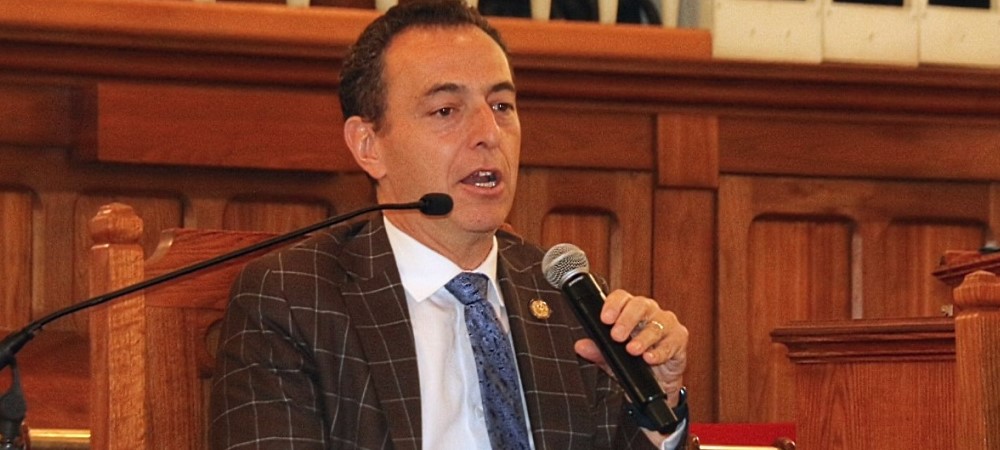
RICHMOND, Va. – Senate Bill 118 cleared the Virginia Senate on Monday in a vote that nearly never happened. Sen. Mamie Locke pushed the measure on the argument that online blackjack and casino gaming were already happening and that state oversight was the more responsible path. The bill failed its first attempt before a reconsideration motion gave it a second life, surviving 19-17.
Only Virginia’s five current land-based blackjack operators would be able to apply for online licenses under SB 118. Up to three platforms might be launched by each operator, each costing an extra $2 million and a $500,000 licensing charge.
A three-step intervention mechanism for players who are at risk, automated conduct monitoring, and the elimination of credit and prepaid cards as allowed payment methods are just a few of the strict player protections that the bill brought about. Additionally, live dealer studios would be needed, which could result in the creation of more than 1,000 jobs throughout the state.
Read More: Virginia Advances Online Casino Bill With New Safeguards
If enacted into law, players in Virginia would have access to licensed platforms that offer legal blackjack, slots, and other casino games. Operator revenue would be subject to a 20% tax paid to the state, the majority of which would go toward financing education.
House Drama Mirrors the Senate
The next day, HB 161 was quickly opposed when it came to the House floor. The bill appeared to be discreetly shelved before it ever gained traction when delegates voted it down 49-46 that morning.
Later that afternoon, the bill was brought back to the floor for a second vote when Del. Marcus Simon called for reconsideration. By a vote of 67 to 30, HB 161 was approved by the House, producing a quite different result.
Where Things Stand Now
Before the March 14 adjournment deadline, both chambers must negotiate a single version of the measures that they have crossed over. The tax rates in the two measures are different; the House suggests 15% while the Senate sets 20%. Additionally, the House plan contains a reenactment clause that could postpone any launch until 2028 because it requires the legislature to adopt the bill again in 2027 before it becomes law.
The Senate version gives the Virginia Lottery time to finalize regulations by establishing a firm launch date of July 1, 2027. According to the most hopeful schedule for legal Virginia blackjack, Virginians who wish to access casino apps will have to wait 16 months. By the early 2030s, analysts predict that a fully functional market may produce over $1 billion yearly.