
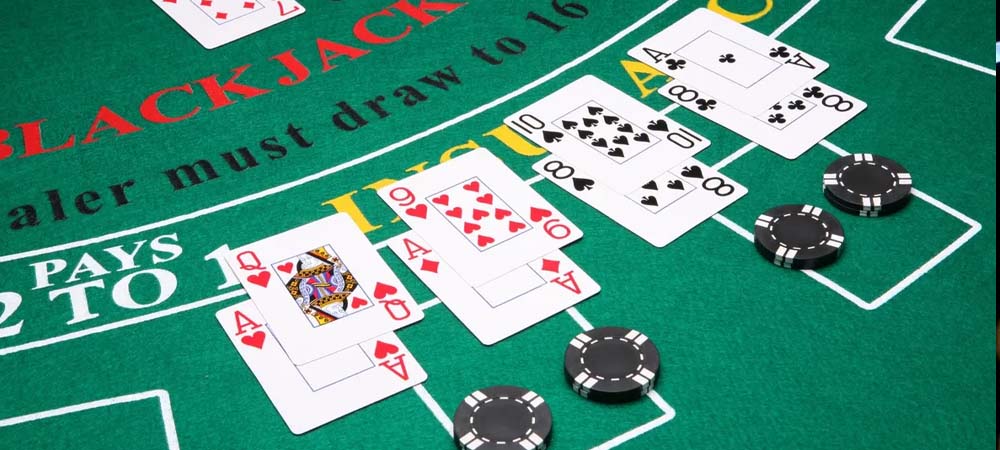
- Ace side counting tracks aces separately from your main count, revealing when the deck is heavy with tens.
- This technique sharpens insurance and doubling decisions by showing the density of remaining high cards.
- The method offers a 0.3 to 0.5 percent edge in double-deck games but demands 100 to 200 hours of practice.
MIAMI - The blackjack table can feel like a battlefield where every decision matters, and for serious players looking to gain an edge, ace side counting represents one of the more sophisticated weapons in their arsenal.
This method gives players vital information about the remaining makeup of the deck by keeping a separate mental tally, primarily for aces, while simultaneously running a primary count, such as Hi-Lo.
What Is Ace Side Counting?
Essentially, an ace side count complements your main counting method rather than taking its place. Your primary count records the entire distribution of high to low cards, while the ace side count only takes into account the number of aces that have appeared in legal blackjack decks.
Most blackjack card counting players increase their total by one each time an ace hits. Aces are extremely powerful cards that significantly affect player blackjacks and dealer bust rates because they can count as either one or eleven.
This strategy works well because of the way these two counts interact. The deck is loaded with tens, which might lead to favorable circumstances when your main count is positive but your ace side count indicates that many aces have already been played.
How It Affects Insurance and Doubling Down
Certain gambling decisions, particularly those involving blackjack insurance bets, demonstrate the actual potential of ace side counting. The exact breakpoints for obtaining insurance based on running count and ace depletion are discussed by seasoned counters.
For instance, if 1.5 decks remain at a zero running count and five or six aces are played, the remaining deck may surpass the threshold at which insurance becomes profitable. The logic is simple: if fewer aces remain, there will be more tens, increasing the dealer's chances of winning blackjack.
Understanding the ace density can help you make better decisions on questionable hands when doubling down in blackjack.
Is It Actually Practical?
Whether ace side counting is worth the mental burden is the practical question. In double-deck blackjack games, when each ace's impact is amplified in shorter decks, the answer is typically yes. The technique can provide you with a tiny but significant advantage of 0.3 to 0.5 percent.
Nevertheless, it takes a lot of commitment to master this tactic. Before you can perform it flawlessly under pressure in a casino, seasoned players advise training for between 100 to 200 hours.
Over the course of a weekend, you won't learn how to keep up two counts at once while maintaining a casual appearance.