
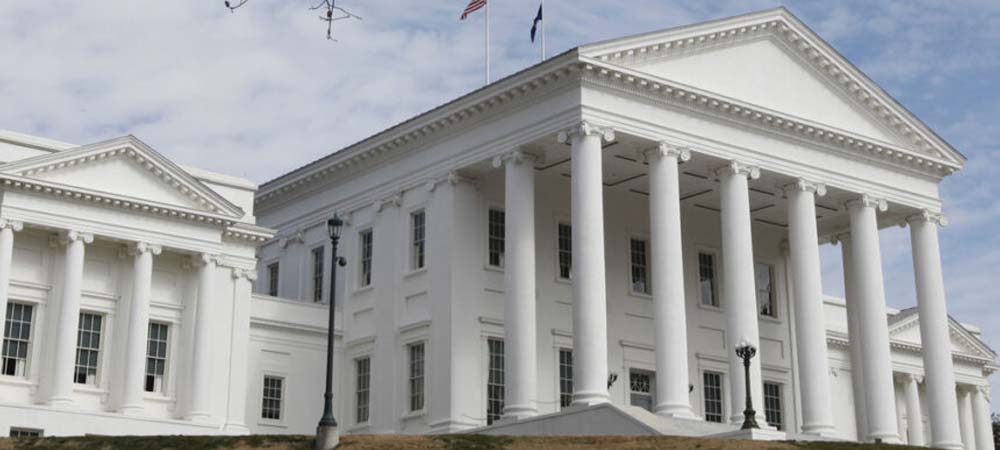
- Friday's subcommittee session saw SB 118 fall short by one vote, ending hopes for legalized mobile blackjack this year.
- Problem gambling worries, shaky oversight readiness, and fears about hurting physical casino business drove the no votes.
- The door stays open for another push down the road once Virginia gets its regulatory house in order.
RICHMOND, Va. – Virginia's attempt to legalize online blackjack hit a roadblock Friday when a Senate subcommittee voted down legislation that would have allowed residents to play digital table games on their smartphones.
Sen. Mamie Locke's SB 118 fell short in a 3-4 vote with one abstention, marking a setback for the state's online gambling expansion efforts. The proposed bill would have allowed Virginia's five current physical casinos to collaborate with up to three mobile operators each, potentially resulting in the creation of fifteen licensed platforms.
A 15% tax on gaming revenue would have been collected by the state, and players would have had access to poker, slots, and blackjack tables via mobile devices. While most of those taxes went toward Virginia's general revenue, some would have gone toward funding programs for problem gambling treatment programs.
Legislative Concerns Block Advancement
Lawmakers rejected the bill for a number of reasons. The dangers of internet gambling addiction emerged as a significant issue during Friday's session. Compared to traditional in-person gaming, compulsive gambling habits are produced by digital casino games at significantly greater rates, according to research given to the subcommittee. The accessibility of legal blackjack on mobile devices raised particular concerns about vulnerable populations and young adults.
Virginia's current regulatory framework also had an impact on the result. The state lottery presently oversees sports betting companies, but there have been questions about how well the system can keep an eye on ongoing online casino activities. The subcommittee offered an alternative plan to create a Virginia Gaming Commission, although authorities estimate that the new body may not begin full operations until 2028.
Industry stakeholders' estimates of the economic impact differed. Concerns about Virginia blackjack sites decreasing foot traffic and earnings at physical venues were voiced by regional casino operators.
Between 1,800 and 2,200 jobs and $78 million in annual tax revenue from physical facilities could be lost, according to data given during the meeting. The law was backed by larger gaming companies with well-established online operations.
Residents of Virginia presently spend almost $12 billion annually on unregulated offshore gambling venues, according to Sen. Locke. Redirecting that activity into authorized channels with consumer safeguards and state tax benefits was the goal of the measure. Subcommittee leadership stated that online casino regulation is still being considered for upcoming legislative sessions despite Friday's loss.