
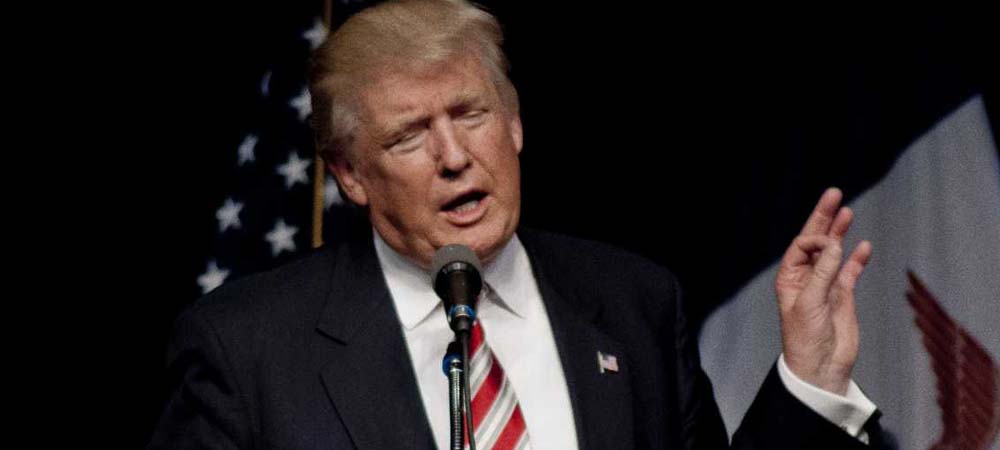
- Trump gave a vague response about eliminating gambling taxes while a more serious tax change that hurts professional gamblers takes effect in weeks.
- The One Big Beautiful Bill Act limits loss deductions to 90 percent starting in 2026, threatening to crush casinos and force poker pros into retirement.
- Congress has less than two weeks to fix the problem before adjourning, but efforts to repeal the change have stalled despite growing support.
WASHINGTON — President Donald Trump gave a vague answer Tuesday when asked about eliminating federal taxes on gambling winnings, saying he might consider it while a far more pressing gambling tax issue sits ignored in Congress.
Speaking aboard Air Force One following a Pennsylvania rally, Trump responded to the question with what felt like intentional dodging. He ran through his administration's recent tax wins on tips, Social Security, and overtime before hesitating when it came to gambling.
Given that the plane had just left Mount Airy Casino Resort, where legal blackjack related topics were noticeably left out of his speech, the hesitancy felt telling.
A More Pressing Crisis Goes Unaddressed
The timing of his remarks raises eyebrows. In just a few weeks, a far more significant adjustment to the gaming tax will take effect, and Trump seems happy to let it happen unchecked.
A clause in the One Big Beautiful Bill Act, which was signed earlier this year, restricts gamblers to deducting only 90% of their losses beginning in 2026. Since losing sessions typically accumulate more than winning ones during the year, the math becomes brutal quickly for dedicated gamers in states with blackjack and other table games.
Industry associations have been raising concerns about the implications of this. Poker pros like Hall of Famer Erik Seidel are openly discussing semi-retirement because the new restrictions make playing full-time practically impossible financially, and sportsbooks alone may see a $18 billion decline in betting activity.
Congress Runs Out Of Time
Nevada Representative Dina Titus has worked to include a repeal in legislation that must pass, but despite increasing bipartisan support, her efforts have currently stalled.
It is difficult to overlook the disconnect. While permitting a policy that threatens to destroy professional gamblers and reduce the market for regulated gaming, Trump raises the prospect of widespread tax relief for blackjack players and casual lottery purchasers.
His administration has promoted foreign investment and tariff revenue as ways to offset tax cuts, but economists are still skeptical about the accuracy of those estimates.
The time for significant action is rapidly shrinking as Congress is scheduled to adjourn on December 19. As the clock runs out, gamblers are forced to analyze Trump's perplexing shrug.