
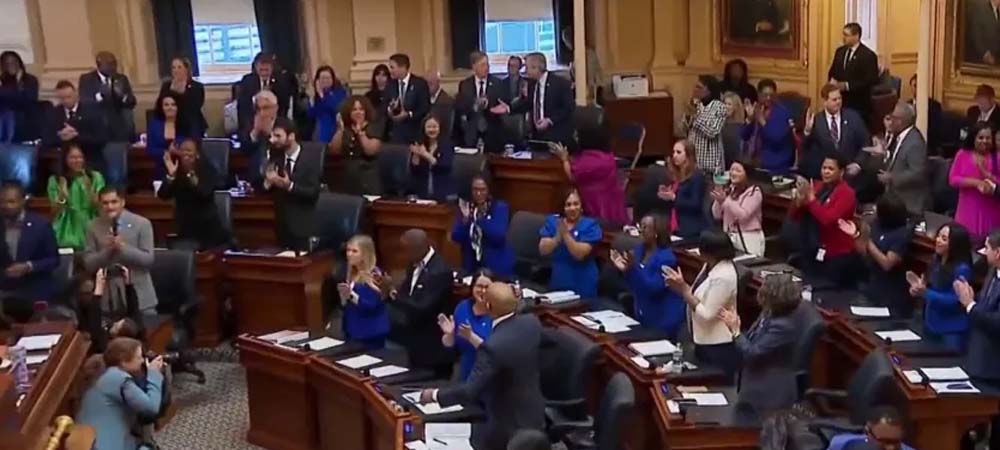
- Virginia Senate advances bill allowing online casino gaming through existing casinos with 15% tax and strict player protections.
- The bill would enable 15 online platforms and create over 1,000 jobs through live dealer studios.
- Backers cite safer betting options while opponents fear more addiction and less education funding.
RICHMOND - The state Senate is bringing Virginia closer to legalizing online blackjack and casino gaming for residents through two advancing legislative measures.
Senate Bill 118 would let brick-and-mortar casinos offer online platforms, with each operator paying a $500,000 initial five-year license and $250,000 annual renewal. Casinos could also partner with up to three third-party operators, each requiring $2 million upfront and $1 million annually. All online gaming revenue would be taxed at 15%, creating a new revenue source for the state.
Stronger Safeguards Added
After SB 118 introduced stringent player protections, the online casino movement saw a resurgence. The Senate General Laws and Technology Committee voted 9–6 in favor of the changes that included automated player conduct monitoring. Using a three-step intervention approach that includes counseling, educational seminars, and messages about responsible gaming, operators must take action when warning indicators are present. The payment methods of credit and prepaid cards were eliminated.
SB 118 would create 15 platforms by allowing Virginia's five land-based casinos to collaborate with three online operators each. Live dealer studios would also be required, potentially generating over 1,000 jobs. Virginia legal blackjack sites would have to pay a 15% tax on their gross gaming earnings, of which 5% would go toward financing compulsive gambling treatment programs.
Legal online blackjack, according to its supporters, would support local casinos and draw in new players while providing Virginians with a safer alternative to uncontrolled offshore websites. Prominent gaming companies like Rush Street Gaming, Boyd Gaming, Caesars Entertainment, and Hard Rock have expressed support for the bill.
Critics including Churchill Downs, The Cordish Companies, and the National Association Against iGaming caution that the rise of online casinos could lead to a rise in gambling addiction, a decline in land-based casino revenue, and potentially a reduction in lottery funding for education.
In contrast, Senate Bill 756 would allow land-based casinos outside of Tysons, anywhere in Fairfax County. The Fairfax County Board of Supervisors has stated time and time again that they oppose a state-imposed casino without local consent because of the possible effects on the neighborhood and current development plans.
Now, both legislation will be considered by the entire Senate. A major shift in the state's attitude toward casino gambling and sports betting would occur if the bill were approved, making Virginia one of the increasing number of states that permit online blackjack.